Why Do People Romanticize Tuxedos and Cocktail Lounges in Vegas?
The image of men in tuxedos and women in elegant cocktail dresses, sipping martinis beneath neon signs, evokes a timeless allure seldom matched by any other city. Las Vegas, particularly during the postwar era, became synonymous with this distinct blend of mid-century nightlife, glamour, and nostalgia. To understand why people continue to romanticize tuxedos and cocktail lounges on the Strip, we need to look beyond the surface and explore the cultural and architectural forces that shaped Vegas from the 1950s onward.
The Postwar Resort Boom: Las Vegas Emerges as an Entertainment Powerhouse
In the years following World War II, Las Vegas underwent a transformation unlike any other American city. Between 1945 and 1960, a booming economy coupled with a rise in automobile travel encouraged a surge in resort development along what we now call the Las Vegas Strip. What was once a sleepy desert town evolved into an all-in-one entertainment ecosystem featuring casinos, hotels, fine dining, and showrooms.
According to Smithsonian research, the key to this boom was the vision of entrepreneurs and architects who understood that visitors sought more than just gambling—they wanted spectacle. This led to the construction of resorts such as the Sands (1952), Sahara (1952), and Desert Inn (1950), which weren’t just places to stay or play; they were immersive experiences.
Neon Signs and Attention-Grabbing Architecture
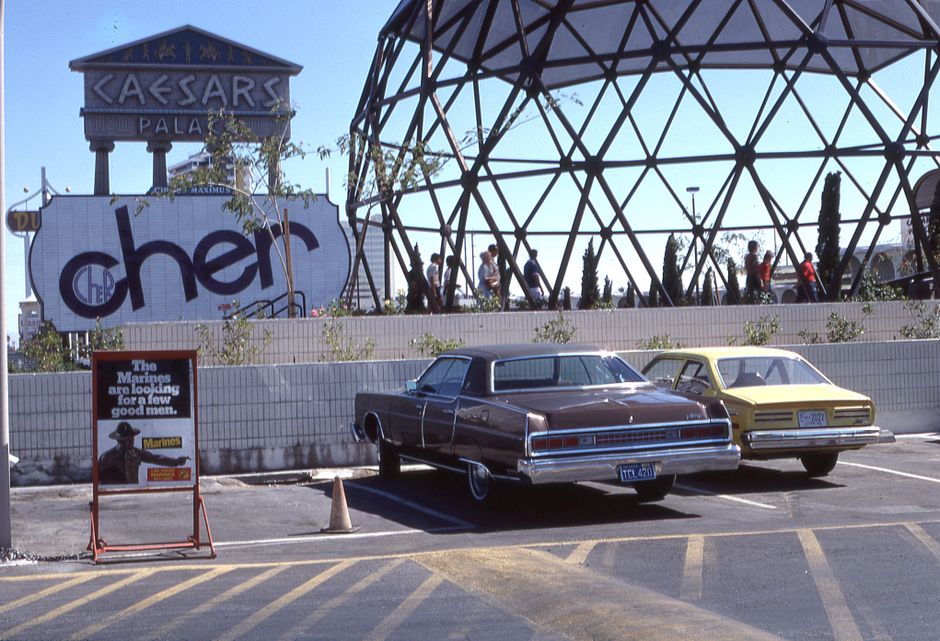
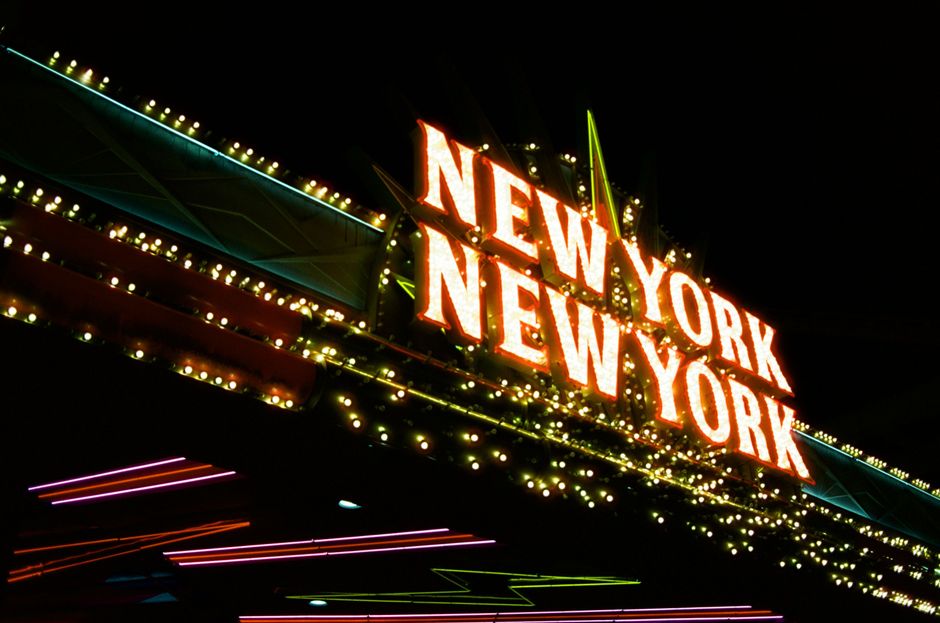
One cannot discuss mid-century Vegas without mentioning the role of neon. Giant, colorful signs illuminated the Strip at night, transforming the desert landscape into a dazzling wonderland. Designers borrowed liberally from Googie, Streamline Moderne, and other futuristic styles, creating architecture that served as an advertisement in itself.
These visual cues weren’t just for show. Bright lights and eye-catching shapes drew in drivers from the highway and signaled a realm of excitement and fantasy. This era gave birth to iconic signage like the Stardust’s shooting stars and the Sands’ sleek marquees. As noted by Fifties Web, the marriage of architecture and marketing was essential to building the mystique of Vegas nightlife.
Resorts as All-In-One Entertainment Ecosystems
The resorts created environments where visitors could eat, drink, gamble, watch shows, and socialize without ever leaving the property. This convenience was revolutionary. Instead of scattered nighttime venues, the Strip provided a controlled, curated nightlife experience where every element reinforced the glamour and sophistication guests craved.
- Gambling: The casinos were the economic engines but designed to feel luxurious and exclusive.
- Dining and Lounges: Cocktail lounges offered intimate social spaces as well as stage spots for performers.
- Showrooms: The jewel in the crown — grand theaters hosting production shows, revues, and headline entertainers.
These showrooms played a crucial role in attracting visitors who didn’t just want to gamble but to be part of an aspirational world where style and sophistication reigned. The Rat Pack image—Frank Sinatra, Dean Martin, Sammy Davis Jr., and others—epitomized this ideal. Their performances at venues like the Sands in the late 1950s embodied the charisma, cool, and camaraderie that fans continue to reference when evoking mid-century nightlife.
The Importance of the Rat Pack Image and Production Shows
Unlike today’s blockbuster residency model, shows in the 1950s and 1960s were variety-packed affairs, combining music, comedy, dance, and elaborate costumes. This multi-act format made each evening unpredictable and exciting. It also reinforced the perception that attending a Vegas show was a glamorous, one-of-a-kind experience.
The “Rat Pack image” remains central to the nostalgia surrounding this period. It symbolized a carefree, yet polished, masculinity and social energy that was both cultivated and authentic. Photographs and film footage of tuxedo-clad performers smoking cigars and exchanging jokes inside luxe cocktail lounges fuel the modern imagination.
Why Modern-Day Visitors Still Seek Out Tuxedo Glamour
You know what's funny? despite contemporary vegas offering mega-resorts, electronic music festivals, and sports spectacles, the mythos of “classic vegas” lingers. There’s a desire to connect with the era when the city was a beacon of exclusivity and poised excitement. Places like MrQ casino in the online sphere cater to this by providing digital environments that echo that vintage flair, showing how much the imagery and aesthetics continue to resonate.
This romanticism isn’t just about nostalgia—it taps into an idealized world where social rituals like dressing up mattered. The cocktail lounge, dressed in dark woods, jazz music, and mood lighting, offered a momentary escape from everyday rat pack las vegas life. Wearing 1960s Vegas style a tuxedo was not just about fashion but adopting a persona aligned with grace and debonair charm.
Clearing Up Common Misconceptions
One recurring mistake when discussing the glamour of mid-century Vegas is the assumption that precise ticket prices, room rates, or show schedules were widely available or standardized. Unlike today’s well-documented entertainment industry, mid-century show bookings were often flexible, negotiated behind the scenes, and dependent on the whims of hotel management and performers’ contracts. Hence, historical accounts rarely provide exact figures or definitive showtimes.
This ambiguity fuels romanticization but also means that when people imagine the era, they often project timelessness rather than granular detail. The focus is on the vibe and cultural impact rather than exact logistics.
Conclusion
People romanticize tuxedos and cocktail lounges in Vegas because these images embody the height of mid-century nightlife—a time when the Strip was an evolving, bold landscape of neon, architecture, and entertainment that defied the ordinary. The resorts’ design as complete entertainment ecosystems created a unique cultural moment defined by glamour, performance, and social ritual.
The Rat Pack’s enduring appeal, the spectacle of production shows, and the carefree sophistication of the era continue to capture imaginations. Modern brands like MrQ remind us that this is not just archival nostalgia but a living cultural influence. By looking at the interplay of architecture, entertainment, and social norms on the postwar Strip, we grasp why tuxedos and cocktail lounges remain symbols of an unforgettable chapter in American nightlife history.