What Are the Downsides of Venues That Do Everything?
In today’s nightlife and leisure scene, multi-purpose venues are booming. They promise everything from dining and drinking to live entertainment and social spaces under one roof. night out planning for groups These all-in-one venues often replace single-purpose nights out, catering to diverse groups with varied interests. On paper, this sounds ideal — but what’s the real impact of packing so much into one venue? If you’re planning your next night out, read on to learn the less-obvious drawbacks of these mega-venues.
What Exactly is an All-in-One Venue?
Think of an all-in-one venue as a one-stop destination. You might walk into the same building and find a fancy dining restaurant, a bar area, a stage with live music, maybe even a dance floor or gaming tables. They aim to be simultaneously a dining destination, live event hub, and social space.
These venues often advertise “something for everyone”. But the reality is more complicated. The more options there are, the harder it is to plan your group’s night out — and the more likely you’ll face crowds and queues at peak times.
The Common Mistake: No Price Clarity
One frustrating issue with multi-purpose venues is the lack of clear pricing information. Scraping content or visiting websites often reveals no straightforward menu prices, cover charges for live events, or pricing details for entertainment options like gaming or private hire.
Without prices upfront, planning your budget becomes guesswork. That’s a poor experience if you’re coordinating with friends or trying to avoid unexpected costs. Concrete pricing should be the minimum you expect when considering any venue, especially one that combines multiple service types.
Why All-in-One Venues Make Planning Harder
When a venue does everything, groups struggle with these key challenges:
- Too Many Options: Choosing where to start or what to prioritize can be overwhelming.
- Crowds and Queues: Popular zones within the venue experience bottlenecks, frustrating guests.
- Fragmented Experience: Juggling dining, live events, and social spaces can stretch the evening thin without a clear flow.
Group Coordination Gets Complicated
If your friends want to eat, others to catch live music, Find more information and some just to hang out, you either split up or scramble to stay together, moving between crowded areas. Without clear guidance on event timings or seating arrangements, the night’s plan can dissolve quickly.
Dining as a Destination, Not an Afterthought
One serious pitfall with many all-in-one venues is treating dining as secondary. Food is often squeezed in alongside other features but not prioritized, leaving it feeling rushed or generic.

Quality dining should be a destination experience. When treated as an afterthought, it undermines the entire evening. Consider if the venue provides:
- Specialized menus and meal options that complement but don’t compete with other activities
- Dedicated dining areas away from loud bars or performance zones
- Clear reservations and price transparency
Remember, dining sets the tone for the night. Rushed meals or noisy settings can decrease enjoyment dramatically.
Live Events Shape the Evening Flow — If Done Right
Live music or performances can transform a venue from a place to eat into a genuine night out hotspot. But at multi-purpose venues, live events often become an afterthought or don’t integrate smoothly with other elements.
If the live event schedule doesn’t help structure the evening (e.g., clearly timed sets, breaks between performances, reservation slots), guests can feel lost about when to arrive, eat, or socialize. This creates crowds and queues at awkward times and diminishes the overall experience.
Successful Venues Use Live Events to Guide Guests
Look for venues that use live entertainment to:
- Set natural start and end points to the night, making planning easy
- Offer package deals combining dining and show tickets with transparent pricing
- Manage crowd flow by staggering performances or seating times
Social Spaces: The Glue for Mixed-Interest Groups
One huge advantage of all-in-one venues is the potential for social spaces where groups with different interests can still stick together.
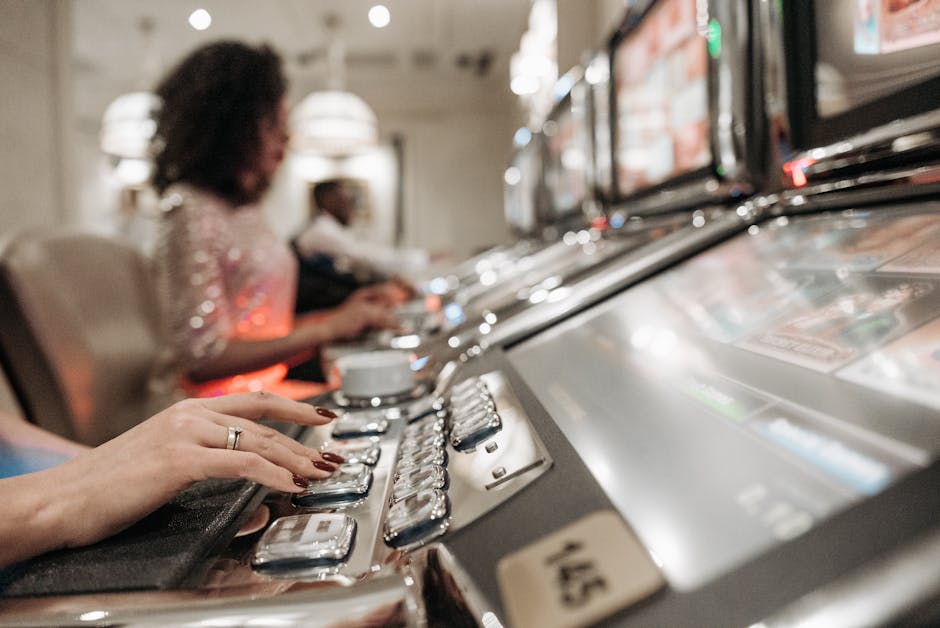
However, if these social areas aren’t thoughtfully designed or are overwhelmed by customers migrating between zones, they lose their function as connective hubs.
Effective social spaces are:
- Comfortable and inviting without dominating noise levels
- Central yet separate from hectic dining or performance zones
- Flexible, accommodating both small chats and larger group gatherings
Without these, your group risks fracturing — some chasing live shows while others wait by the bar, increasing friction and disappointment.
Summary Table of Downsides
Downside Impact on Night Out What to Watch For Too Many Options Overwhelms group decisions, leads to indecision Unclear paths for prioritizing activities Crowds and Queues Wait times reduce enjoyment and flow Peak time bottlenecks, poor venue flow design Lack of Price Transparency Planning budgets is difficult, risk of surprise costs Missing menus, no event cover info Dining as an Afterthought Food suffers in quality or experience No dedicated dining space or menu focus Live Events Not Integrated Confusing timing, poor crowd management Disjointed schedules, no combined offers Social Spaces Undermined Groups fragment, lose social cohesion No comfy social hubs or poor zone separationHow to Decide if an All-in-One Venue Works for Your Group
All-in-one venues aren’t inherently bad; they just come with trade-offs. Here’s how to think through if one fits your plans:
- Check for Clear Pricing — Look for menus, event ticket costs, or packages online before committing.
- Ask About Crowds and Queues — Call or read reviews for feedback on busy periods and wait times.
- Prioritize Dining Quality — Does the venue market dining as a destination? Are the menus crafted and well-reviewed?
- Look at the Live Event Schedule — Are showtimes listed? Are meals and performances integrated?
- Think About Your Group’s Interests — Will the social spaces hold your whole party? Or are you likely to split up?
Planning Tools to Share the Venue Info
To make planning easier and share prospects quickly with your group, use social sharing tools embedded in venue pages:
- Share on Facebook — Great for reaching your friend circle quickly and gathering feedback.
- Share on X (formerly Twitter) — Good for quick polls or gathering wider opinions.
Replace VENUE_URL with the actual venue webpage, and encourage your group to weigh in on preferences, expected wait times, and prices before booking.
Final Thoughts
Venues that try to do everything undeniably offer convenience and variety. Yet these perks come with real downsides: harder planning due to too many options, frustrating crowds and queues, murky pricing, and sometimes diluted experiences in dining and live events. If you value a smooth, coordinated night out, don’t fall for marketing fluff promising “something for everyone” without specifics.
Focus on venues that prioritize clear pricing, create natural event flows, and design welcoming social spaces. These practical markers separate well-run multi-purpose venues from ones that overpromise and underdeliver.
Keep your group’s preferences front and center, use sharing tools to collaborate, and never settle for vague claims. Your night out deserves better planning — and smarter venue choices.