Are Simple Games Becoming More Popular Again in 2026?
In recent years, the mobile gaming landscape has witnessed a fascinating shift. After a period dominated by complex, graphics-intensive titles and sprawling narratives, 2026 is seeing a renewed embrace of simple games. Whether you're a commuter sneaking in a few moments of play on your smartphone or someone looking to unwind during a quick lunch break, casual gaming habits are reshaping how and what we play. This trend isn’t just anecdotal; industry data and reports from notable institutions, including Ofcom, as well as insights from mobile gaming platforms like MR Q, highlight a migration toward games that prioritize accessibility, instant gratification, and familiar mechanics.
The Rise of Simple Games: A Back-to-Basics Movement
In the 2020s, mobile game users have grown increasingly selective about how they spend their gaming time. Amid the array of choices on app stores and social platforms, many have gravitated to games that offer quick bursts of entertainment without a significant time commitment or steep learning curve.
This isn’t to say that complex games have vanished—titles with deep stories, elaborate mechanics, and multiplayer social features still thrive. However, for a significant portion of the market, "simple games" are experiencing a resurgence as the preferred choice for casual and Click here for info downtime gaming.
What Defines a Simple Game?
- Instant pick-up-and-play: You can launch the game and start playing almost immediately, ideal for short sessions.
- Downtime gaming and short sessions: Perfect fits for lunch breaks, commutes, or any moments when time is limited.
- Familiar mechanics and low learning curve: Games often use well-known gameplay loops, making them easy to understand and enjoy without tutorials.
- Mobile-focused design: Optimized for on-the-go play on smartphones, with intuitive touch controls and clear UI.
Smartphone Gaming During Lunch Break and Commuting: The Ideal Space for Simple Games
Two key daily routines heavily influence mobile game habits: lunchtime and commuting. Research from Ofcom – a leading communications regulator in the UK – shows that many adults use their smartphones to play short games during small pockets of downtime at work or while traveling to and from the office.

Thanks to this behavior pattern, simple games that can be played in five to ten minutes are flourishing. Gamers value the ability to pick up their device, tap through a quick session, and switch back to work or other activities without feature creep in games missing a beat.
How Simple Games Fit Into This Routine
- Lunch Break Gaming: A 15-30 minute window where players want accessible entertainment that doesn’t require prolonged focus.
- Commuting on Public Transit: A natural setting for bite-sized gameplay that doesn’t depend on constant internet access or heavy device resources.
- Waiting Periods: From waiting in lines to brief intervals before meetings, a quick puzzle or arcade-style game is the perfect companion.
Industry Insights: MR Q and Ofcom on Casual Gaming Trends
MR Q, a UK-based mobile gaming hub, has observed their top-performing titles trending toward simpler, casual formats that match users’ time constraints and sensibilities. Their platform analytics reveal that games with straightforward objectives and minimal setup times generate higher daily engagement, particularly among working adults.
Meanwhile, Ofcom’s ongoing mobile usage surveys validate the impact of mobile-first habits on game design. Their 2025 report highlighted that 62% of smartphone users play games primarily during short breaks, and 48% prefer games that are intuitive and instantly accessible rather than complex or multiplayer-heavy experiences.
Selected Key Findings on Mobile Game Habits (2025-2026) Metric Percentage Notes Users gaming during lunch breaks 57% Indicates high uptake of simple games targeting casual time slots Mobile gamers preferring sessions under 10 minutes 64% Supports demand for quick engagement Players citing low learning curve as essential 55% Simple mechanics prove critical for retentionWhy Simple Games Are Thriving in 2026
Several factors converge to explain why simple games have gained traction once again:
- Smartphone-Driven Gaming Habits: With smartphones remaining the dominant gaming device for casual players, games optimized for mobile ease and short attention spans are winning the day.
- Fragmented Time: People rarely have long stretches for gaming during their busy schedules, making short-session-friendly games essential.
- Stress Relief and Mental Breaks: Simple games often function as mental resets—providing fun without frustration or commitment.
- Accessibility and Inclusivity: Low barriers to entry invite a wider demographic, including older adults and younger children, into mobile gaming.
Examples of Popular Simple Game Genres in 2026
- Puzzle Games: Color matching, word puzzles, and logic challenges that deliver instant satisfaction.
- Arcade and Endless Runners: Straightforward objectives with rising difficulty curves suited for quick play.
- Casual Card and Board Games: Familiar classics adapted for mobile convenience.
- Idle and Incremental Games: Games that reward return visits without demanding continuous focus.
The Importance of Familiar Mechanics and Low Learning Curves
A hallmark of successful simple games is the use of intuitive gameplay that requires little explanation. This allows players to dive in without frustration or time spent on tutorials. Familiarity breeds comfort—whether it’s matching shapes, tapping at the right moment, or solving straightforward puzzles.
MR Q’s platform specifically curates game offerings that leverage these trusted mechanics, maximizing appeal for players seeking quick dopamine hits without complicated overheads.
Looking Ahead: What Does This Mean for Developers and Players?
For game developers, 2026’s simple game renaissance suggests important strategic takeaways:
- Optimize for Mobile and Short Sessions: Prioritize accessibility and the ability to play in brief bursts.
- Leverage Proven Game Mechanics: Invest in polishing familiar gameplay loops rather than reinventing the wheel.
- Focus on User Experience: Streamlined interfaces, fast loading times, and minimal friction matter.
Meanwhile, players benefit from an expanding marketplace of games perfectly suited to their actual daily routines. Instead of feeling pressured to invest hours to progress, mobile game habits encourage casual enjoyment and flexibility.
In Conclusion
Simple games are indeed becoming more popular once again in 2026, driven by the evolving nature of smartphone gaming habits and casual gaming trends. The appeal lies in their ability to fit seamlessly into the fragmented, fast-paced rhythms of modern life — providing instant, accessible fun for short sessions during lunch breaks, commutes, or other downtime moments.
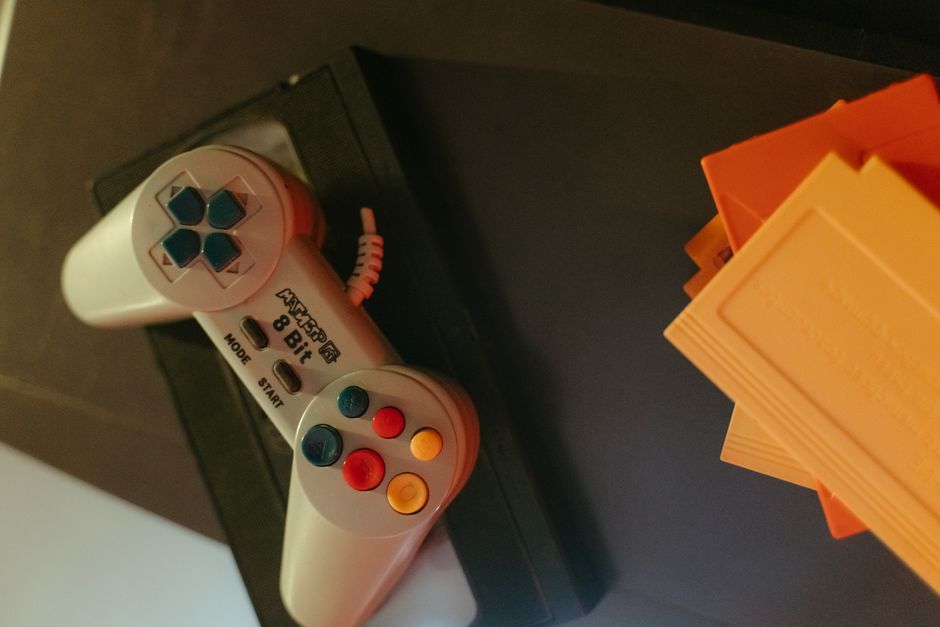
With regulators and analysts like Ofcom documenting these shifts and platforms like MR Q championing simplicity, it’s clear that simple games occupy a vital and growing space in the mobile gaming ecosystem. Whether you’re a casual player or a developer, 2026 reinforces that sometimes, less truly is more.